Shining Navratri: India’s Beloved Festive Gaming Sensation 🎉
A groundbreaking fusion of traditional Navratri celebrations and modern gaming mechanics, Shining Navratri has redefined what desi gaming can be—bringing the joy, colors, and cultural richness of India’s nine-night festival to millions of players worldwide.
Introduction to Shining Navratri
Shining Navratri is more than just a video game—it’s a digital celebration of India’s most vibrant and culturally significant festival, Navratri. Developed by Desi Festive Studios, an Ahmedabad-based gaming startup with a mission to promote Indian culture through interactive entertainment, the game was officially launched on 28 September 2021, just weeks before the annual Navratri celebrations. Since its release, it has become a cultural phenomenon, amassing over 12 million downloads across all platforms and earning widespread acclaim for its authentic representation of Navratri traditions and engaging gameplay.
At its core, Shining Navratri seeks to bridge the gap between India’s rich cultural heritage and the fast-growing digital gaming landscape. For many Indians—especially those living abroad or unable to participate in physical Navratri celebrations due to distance, time, or circumstances—the game offers a way to connect with their roots, perform traditional rituals, and experience the joy of the festival in a virtual setting. What sets it apart from other festive games is its unwavering commitment to authenticity: every aspect of the game, from the garba dance moves to the rangoli designs, from the puja ceremonies to the regional variations in celebrations, has been crafted with input from cultural experts, anthropologists, and folk artists to ensure it respects and accurately represents Navratri’s traditions.
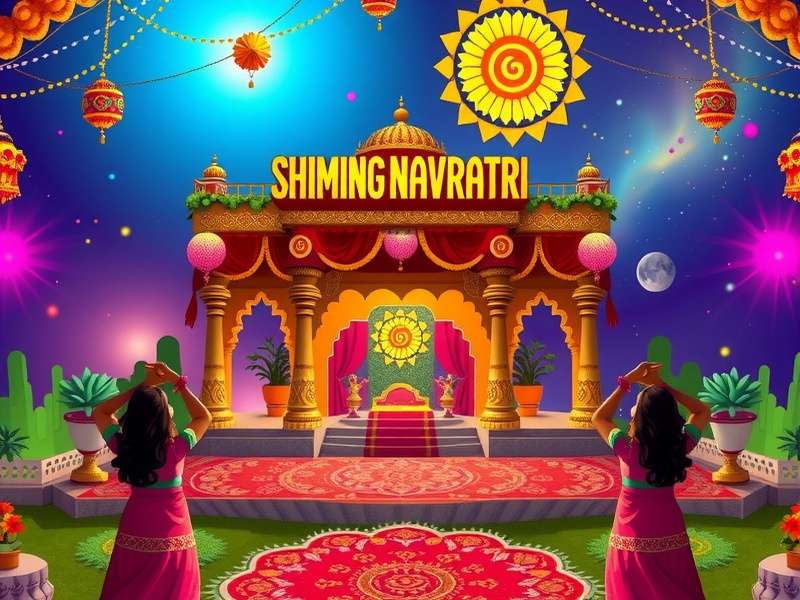
The game’s appeal transcends age groups and cultural backgrounds. Children are drawn to its colorful visuals, simple gameplay mechanics, and opportunities to learn about Indian traditions in a fun, interactive way. Young adults and teenagers enjoy its competitive multiplayer modes, social features, and the chance to connect with friends and family over a shared cultural experience. Parents and older generations appreciate the game’s ability to preserve and promote traditional Navratri rituals, many of which are at risk of being forgotten in the fast-paced modern world. Even non-Indian players have embraced Shining Navratri as a way to learn about Indian culture, with many citing the game’s educational elements and inclusive design as key reasons for their engagement.
One of the most remarkable aspects of Shining Navratri is its ability to adapt to the diverse regional traditions of Navratri across India. From the garba and dandiya raas of Gujarat to the grand Durga Puja pandals of West Bengal, from the kanya puja rituals of North India to the bommai golu displays of South India, the game incorporates elements from all major regional celebrations, allowing players to experience the full diversity of Navratri traditions. This regional inclusivity has played a significant role in the game’s widespread popularity, as it makes players from all parts of India feel seen and represented.
Shining Navratri Key Achievements
Beyond its cultural significance, Shining Navratri has also made waves in the Indian gaming industry as a trailblazer for “desi gaming”—games that are rooted in Indian culture and cater to Indian audiences. For years, the Indian gaming market has been dominated by Western and Chinese titles, but Shining Navratri has proven that there is a large and enthusiastic audience for games that celebrate Indian traditions. Its success has inspired other developers to create culturally relevant games, helping to foster a more diverse and inclusive gaming ecosystem in India.
In the following sections, we will explore Shining Navratri in detail, covering its development history, gameplay mechanics, cultural integration, technical specifications, player reception, and impact on the Indian gaming industry. We will also look at the game’s future updates and its potential to continue shaping the desi gaming landscape for years to come.
Development History & Philosophy
The Genesis of Shining Navratri
The idea for Shining Navratri was born in 2019, when the founding team of Desi Festive Studios—all avid gamers and proud Indians—noticed a gap in the market for high-quality, culturally authentic games that celebrated Indian festivals. While there were a few festive games available, most were either low-budget, poorly designed, or focused on generic “festival themes” rather than authentic traditions. The team, which included developers, designers, and cultural enthusiasts, set out to create a game that would not only be entertaining but also educational and culturally respectful.
The team’s initial research involved traveling across India to study Navratri traditions in different regions. Over the course of six months, they visited Gujarat, West Bengal, Uttar Pradesh, Tamil Nadu, Kerala, Rajasthan, and Maharashtra, attending Navratri celebrations, interviewing cultural experts, priests, folk artists, and local people to gain a deep understanding of the festival’s rituals, customs, and significance. This research phase was crucial, as it helped the team develop a nuanced understanding of Navratri’s diversity and ensured that the game would be authentic and respectful of all regional traditions.
“Our goal was never to create just another game. We wanted to build a digital platform that would preserve and promote Navratri traditions for future generations. We traveled across India, talked to hundreds of people, and studied every aspect of the festival—from the way rangoli is made in Gujarat to the pandal designs in Kolkata. Every detail in the game has a cultural basis, and we worked tirelessly to ensure that we got those details right.”
In 2020, the team began development in earnest, but they faced several challenges. One of the biggest challenges was balancing authenticity with gameplay. The team wanted to ensure that the game’s mechanics were engaging and fun, but they also didn’t want to compromise on cultural accuracy. For example, when designing the garba dance mode, the team worked with professional garba instructors to ensure that the dance moves were authentic, but they also simplified them slightly to make them accessible to players of all skill levels.
Another challenge was technical: creating a game that would run smoothly on a wide range of devices, from low-end smartphones to high-end gaming PCs. Given that many Indian gamers use budget devices, the team prioritized performance optimization, ensuring that the game would be accessible to as many people as possible. They also focused on making the game inclusive, adding support for multiple Indian languages and accessibility features for players with disabilities.
The development process took 18 months, with a team of 35 people working on various aspects of the game—including programming, design, art, music, and cultural research. The team also collaborated with over 20 cultural experts and folk artists to ensure that every element of the game was authentic. For example, the rangoli designs in the game were created by folk artists from Rajasthan and Gujarat, while the music was composed by traditional garba musicians and Carnatic classical artists.
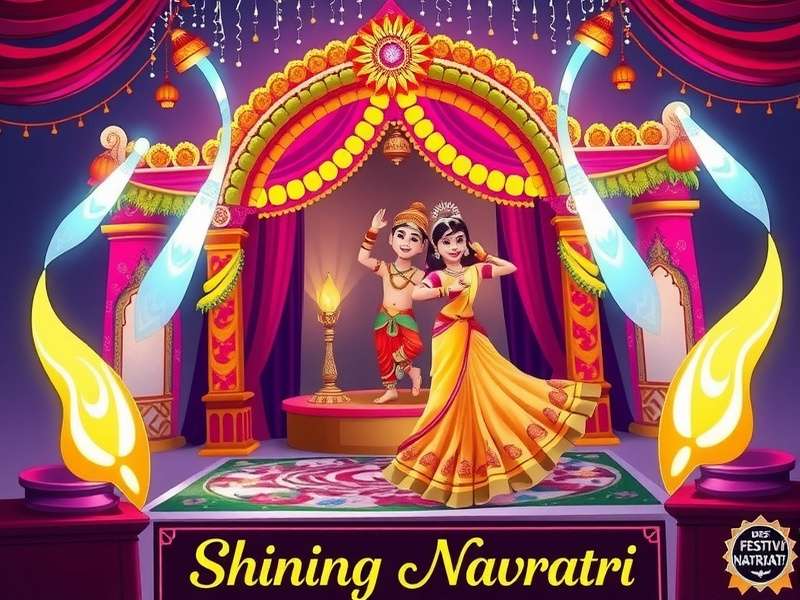
In August 2021, the team launched a closed beta test with 10,000 players from across India. The beta test was a huge success, with players praising the game’s authenticity, visuals, and gameplay. The team used the feedback from the beta test to make several improvements, including adding more regional content, optimizing performance on low-end devices, and refining the multiplayer modes. On 28 September 2021, Shining Navratri was officially launched on Android, iOS, Windows PC, macOS, and web browsers, with a free-to-play model and optional in-app purchases for cosmetic items and in-game currency.
Development Philosophy & Core Values
Desi Festive Studios has always been guided by a clear set of core values that shaped the development of Shining Navratri. These values are:
- Cultural Authenticity: The team’s top priority was to create a game that respected and accurately represented Navratri traditions. This meant working with cultural experts, folk artists, and local communities to ensure that every detail—from the puja rituals to the rangoli designs—was authentic.
- Inclusivity: The game was designed to be inclusive of all players, regardless of their age, gender, region, or ability. This is reflected in the game’s multiple language options, accessibility features, and regional content that represents all major Navratri traditions across India.
- Education Through Entertainment: The team believed that games could be a powerful tool for education. As such, Shining Navratri includes educational elements that teach players about Navratri’s history, traditions, and cultural significance.
- Accessibility: The game was designed to be accessible to as many people as possible. This meant optimizing performance for low-end devices, keeping the gameplay simple and intuitive, and offering the game for free with no pay-to-win mechanics.
- Community Building: The team wanted to create a game that brought people together, just like the real Navratri festival. This is why multiplayer modes and social features were a key part of the game’s design.
These values are evident in every aspect of Shining Navratri. For example, the game’s educational elements include short, informative pop-ups that explain the significance of each ritual as players perform it. When a player creates a rangoli, they learn about the colors and patterns used and their cultural meaning. When they perform a puja, they learn about the items used in the ceremony and their significance. These educational elements are subtle and non-intrusive, ensuring that players learn without feeling like they’re in a classroom.
The team also prioritized accessibility by ensuring that the game’s controls are simple and intuitive. On mobile devices, the game uses touch controls that are easy to learn, while on PC, it supports both keyboard/mouse and controller inputs. The game also includes accessibility features like colorblind mode, high-contrast mode, subtitles, and adjustable difficulty levels, making it accessible to players with disabilities.
Another key aspect of the team’s philosophy was to avoid pay-to-win mechanics. While the game does offer in-app purchases for cosmetic items like avatar outfits and mandap decorations, these purchases do not affect gameplay. All core content is available to all players for free, ensuring that the game is fair and accessible to everyone, regardless of their ability to spend money.
Funding & Partnerships
Developing Shining Navratri required significant investment, and Desi Festive Studios secured funding from a variety of sources. The initial seed funding of ₹5 crore came from angel investors who shared the team’s vision of promoting Indian culture through gaming. In 2020, the studio raised a Series A round of ₹15 crore from venture capital firms specializing in digital entertainment and cultural startups.
The studio also formed several key partnerships to support the development and promotion of the game. These partnerships included:
- Cultural Institutions: The studio partnered with the National Museum of India, the Gujarat State Cultural Department, and the West Bengal Durga Puja Committee to ensure the game’s cultural authenticity and access to historical and cultural resources.
- Folk Artists & Musicians: The studio collaborated with over 20 folk artists from across India to create the game’s rangoli designs, mandap decorations, and avatar outfits. It also partnered with renowned garba musicians and Carnatic classical artists to create the game’s soundtrack.
- Gaming Platforms: The studio partnered with major gaming platforms like Steam, Epic Games Store, and Google Play to promote the game and make it available to a wide audience.
- Brands: The studio formed limited-time partnerships with several Indian brands, including a leading Indian snack company and a traditional clothing brand, to offer in-game rewards and real-world prizes to players.
These partnerships played a crucial role in the game’s success. The cultural institution partnerships helped the studio ensure the game’s authenticity and credibility, while the folk artist and musician partnerships helped create a unique, high-quality visual and audio experience. The gaming platform partnerships ensured that the game was easily accessible to players across all platforms, and the brand partnerships helped promote the game to a wider audience and offer exciting rewards to players.
Gameplay Mechanics & Features
Core Gameplay & Objective
The core objective of Shining Navratri is to “celebrate Navratri in the digital world” by completing a series of tasks and challenges that reflect the festival’s traditions. Players take on the role of a “Navratri Celebrant” who must prepare for and participate in the nine nights of Navratri, each dedicated to a different avatar of Goddess Durga. The game’s overarching goal is to earn the title of “Navratri Samrat/Samrani” (Navratri King/Queen) by mastering all aspects of the festival and creating the most beautiful and culturally authentic mandap (temporary shrine) possible.
At the start of the game, players are given a basic mandap with minimal decorations and a default avatar. As they progress through the game, they earn Navratri Points and Festive Coins by completing tasks and challenges. These can be used to unlock new decorations, rangoli designs, avatar outfits, and game modes. The game’s progression system is designed to be flexible, allowing players to focus on the aspects of the game they enjoy most—whether that’s decorating mandaps, performing puja rituals, dancing garba and dandiya raas, or competing against other players in multiplayer modes.
One of the key features of Shining Navratri is its “Nine Nights” campaign, which mirrors the real Navratri festival. Each night of the campaign is dedicated to one of the nine avatars of Goddess Durga, and players must complete tasks and challenges that are specific to that avatar and the traditions associated with that night. For example:
- Day 1 (Shailaputri): Players must clean and prepare their mandap and arrange diyas (earthen lamps) in a traditional pattern.
- Day 3 (Chandraghanta): Players must create a rangoli using three specific colors that represent the avatar’s attributes.
- Day 5 (Skandamata): Players must perform a puja ceremony with specific items and recite a mantra dedicated to Skandamata.
- Day 7 (Kalaratri): Players must participate in a dandiya raas dance challenge to “awaken” the avatar’s power.
- Day 9 (Siddhidatri): Players must complete a final challenge that combines all the skills they’ve learned throughout the campaign, including mandap decoration, rangoli creation, puja performance, and garba dancing.
Completing each night’s challenges unlocks new content and rewards, including rare decorations, avatar outfits, and power-ups. It also progresses the game’s narrative, which follows a family celebrating Navratri in a small Indian town. The narrative is designed to be heartwarming and relatable, with characters that players can connect with, and it includes subtle educational elements that teach players about Navratri’s history and traditions.
Game Modes
Shining Navratri offers a variety of game modes to cater to different player preferences, from casual players who want to relax and decorate to competitive players who want to test their skills against others. The game’s main modes are:
Nine Nights Campaign (Story Mode)
The Nine Nights Campaign is the game’s primary single-player mode, and it’s designed to take players on a journey through the nine nights of Navratri. As mentioned earlier, each night is dedicated to a different avatar of Goddess Durga, and players must complete a series of tasks and challenges that reflect the traditions of that night. The campaign is divided into nine chapters, each with a unique theme and set of challenges.
One of the key features of the campaign is its educational elements. Each task is accompanied by a short, informative explanation of its cultural significance. For example, when players arrange diyas on the first night, they learn about the tradition of lighting diyas during Navratri to symbolize the dispelling of darkness and the triumph of good over evil. When they create a rangoli on the third night, they learn about the colors used and their meanings—red for love and prosperity, yellow for happiness, green for growth, and so on.
The campaign also includes boss battles, which are designed to be fun and challenging. These battles are not violent; instead, they are based on traditional Navratri activities. For example, the boss battle on the seventh night involves a dandiya raas dance-off against a virtual opponent, where players must perform the correct dance moves in rhythm with the music to defeat the opponent. The boss battle on the ninth night is a mandap decoration competition, where players must create the most beautiful and culturally authentic mandap possible to win.
Completing the campaign unlocks the “Navratri Champion” achievement and a set of rare rewards, including a special avatar outfit and a unique mandap design. It also unlocks additional content in other game modes, making it a must-play for players who want to experience everything the game has to offer.
Quick Play Mode
Quick Play Mode is designed for players who want to jump into the game without following the campaign. It allows players to select a specific activity—like rangoli creation, mandap decoration, garba dancing, or puja performance—and play it immediately. Quick Play Mode is perfect for players who have limited time or who want to practice a specific skill.
The mode offers a variety of difficulty levels, from Easy to Hard, allowing players to challenge themselves as they improve. It also includes leaderboards, so players can compare their scores with other players around the world. Quick Play Mode is updated regularly with new activities and challenges, ensuring that there’s always something new to play.
Competitive Multiplayer
Competitive Multiplayer Mode allows players to compete against other players from around the world in a variety of Navratri-themed challenges. The mode supports 2-8 players per match, and it offers a range of game types, including:
- Rangoli Race: Players must create a specific rangoli design as quickly and accurately as possible. The player who completes the rangoli first wins.
- Dandiya Dance-Off: Players compete in a dandiya raas dance battle, performing moves in rhythm with the music. The player with the highest score wins.
- Mandap Decoration Challenge: Players have a set amount of time to decorate a mandap using a limited number of items. Other players vote on the best mandap, and the player with the most votes wins.
- Puja Perfect: Players must perform a puja ceremony as accurately as possible, following the correct steps and using the right items. The player with the highest accuracy score wins.
Competitive Multiplayer Mode includes a ranking system, where players earn points for winning matches and climb the global leaderboard. The top players each month receive exclusive rewards, including rare avatar outfits, mandap decorations, and real-world prizes like traditional Indian handicrafts and Navratri gift hampers.
The mode also includes a chat feature, which allows players to communicate with each other during matches. The chat feature uses pre-approved messages to ensure safety, and it supports multiple Indian languages, making it easy for players from different regions to communicate.
Cooperative Multiplayer
Cooperative Multiplayer Mode allows players to team up with friends and family to complete challenges together. The mode supports 2-4 players per team, and it offers a range of cooperative challenges, including:
- Joint Mandap Decoration: Players work together to decorate a large mandap, with each player responsible for a different section. The team must coordinate their efforts to create a cohesive and beautiful mandap.
- Group Garba: Players perform garba as a group, with each player responsible for a different part of the dance. The team must stay in sync to earn points.
- Puja Preparation: Players work together to gather the items needed for a puja ceremony and set up the mandap. The team must complete the task within a set time limit.
Cooperative Multiplayer Mode is designed to promote teamwork and communication, and it’s a great way for friends and family to connect over the game. The mode includes a rewards system, where teams earn points for completing challenges, and these points can be used to unlock exclusive cooperative-only content.
Festival Special Mode is a limited-time mode that is only available during the actual Navratri season (usually September-October). This mode is highly anticipated by players, as it introduces exclusive content and events that are tied to real-world Navratri celebrations. The mode is updated every year with new content, ensuring that it remains fresh and exciting.
Real-World Pandal Hop
One of the most popular features of Festival Special Mode is the Real-World Pandal Hop. This feature allows players to visit virtual replicas of famous pandals (temporary temples) from across India, including:
- Kumartuli Park Pandal (Kolkata, West Bengal)
- Ahmedabad Municipal Corporation Pandal (Ahmedabad, Gujarat)
- Red Fort Pandal (Delhi)
- Marina Beach Pandal (Chennai, Tamil Nadu)
- Charminar Pandal (Hyderabad, Telangana)
Each virtual pandal is designed to look exactly like its real-world counterpart, with intricate decorations, statues of Goddess Durga, and traditional music. Players can explore the pandal, complete tasks and challenges, and collect exclusive rewards. The Real-World Pandal Hop is a great way for players to experience the grandeur of famous Navratri celebrations without leaving their homes.
Live Garba Sessions
Another popular feature of Festival Special Mode is Live Garba Sessions. These are live-streamed events where players can dance garba and dandiya raas along with professional dancers and other players from around the world. The sessions are hosted by famous garba artists and influencers, and they include live music, dance tutorials, and interactive challenges.
Players who participate in Live Garba Sessions earn exclusive rewards, including rare avatar outfits and mandap decorations. The sessions are also a great way for players to connect with other Navratri enthusiasts and celebrate the festival together.
Limited-Time Events
Festival Special Mode also includes a variety of limited-time events, such as:
- Navratri Quiz: A trivia quiz about Navratri’s history, traditions, and culture. Players who answer the most questions correctly win rewards.
- Rangoli Design Contest: Players submit their own rangoli designs, and other players vote on the best ones. The winning designs are added to the game as unlockable content.
- Dandiya Tournament: A competitive tournament where players compete in dandiya raas dance battles to win big prizes, including tickets to real-world Navratri events.
These limited-time events help to keep the game fresh and exciting during the Navratri season, and they encourage players to log in regularly to participate.
Mandap Designer
Mandap Designer is a creative mode that allows players to design and decorate their own virtual mandaps without any restrictions. The mode offers a wide range of customization options, including:
- Mandap Structure: Players can choose from a variety of mandap designs, including Gujarati-style open mandaps, Bengali-style pandals, South Indian-style golu mandaps, and more.
- Lights: Players can add a variety of lights, including diyas, fairy lights, neon lights, and akash kandils (hanging lanterns), in a range of colors and designs.
- Decorations: Players can add flower garlands, rangoli, torans (door hangings), idols of Goddess Durga and her avatars, and other traditional decorations.
- Music: Players can choose from a library of traditional garba, bhajan, and dandiya tracks, or upload their own music (available only on PC and web versions).
Once players have designed their mandap, they can share it with other players on the game’s community platform. Other players can view, like, and comment on the mandap, and the most popular mandaps are featured on the game’s homepage. Mandap Designer is perfect for creative players who want to express their artistic skills and share their creations with others.
Rangoli Creator
Rangoli Creator is another creative mode that allows players to design their own rangoli patterns. The mode offers a range of tools, including:
- A variety of brush sizes and shapes.
- A palette of traditional rangoli colors, including red, yellow, green, blue, and white.
- Stencils of traditional rangoli patterns, which players can use as a base for their own designs.
- The ability to save and share rangoli designs with other players.
Rangoli Creator is a great way for players to practice their rangoli skills and create unique designs. The mode also includes tutorials that teach players how to create traditional rangoli patterns, making it accessible to players who have never created a rangoli before.
Controls & User Interface
Shining Navratri is designed to be accessible to players of all ages and skill levels, with intuitive controls and a user-friendly interface that reflects Indian design aesthetics. The game’s controls and UI are optimized for each platform, ensuring a seamless experience regardless of whether players are using a mobile device, PC, or web browser.
Mobile Controls (Android & iOS)
The mobile version of Shining Navratri uses touch controls that are simple to learn and easy to master. Here’s a breakdown of the key controls:
- Mandap Decoration: Tap and drag to place decorations, lights, and other items on the mandap. Pinch to zoom in and out, and swipe to rotate items.
- Rangoli Creation: Use your finger to draw on the screen. Tap the color palette to change colors, and use the brush size slider to adjust the thickness of your lines.
- Garba & Dandiya Dancing: Tap on-screen buttons in rhythm with the music. The buttons are arranged in a circle, mimicking the circular formation of garba and